Introduction
The UK faces a significant housing crisis, with demand for affordable homes far outstripping supply. One innovative solution gaining traction is modular housing, a method that offers speed, efficiency, and sustainability. This article explores the potential of modular housing for social housing in the UK, highlighting its benefits, challenges, and real-world applications.
What is Modular Housing?
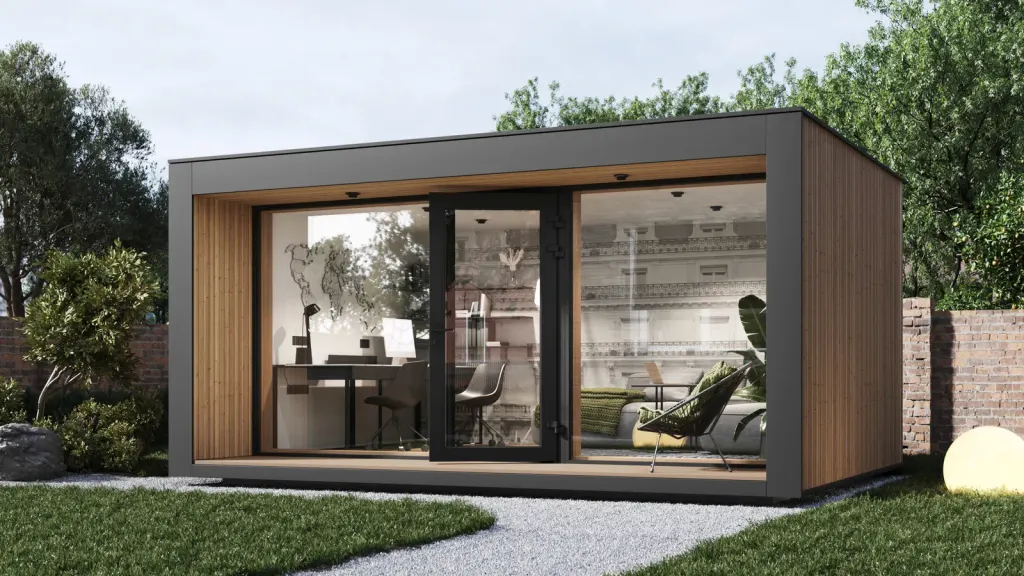
Modular housing refers to a construction method where buildings are manufactured in sections, or modules, in a factory setting. These modules are then transported to the construction site and assembled into a final structure. This method contrasts with traditional on-site construction, offering various advantages in terms of speed, cost, and quality control.
The Need for Social Housing in the UK
The UK has a pressing need for social housing due to factors such as population growth, economic inequality, and rising property prices. Social housing provides affordable rental homes for those on low incomes, helping to alleviate poverty and prevent homelessness. However, the supply of social housing has not kept pace with demand, necessitating innovative solutions like modular housing.
Benefits of Modular Housing for Social Housing
Speed of Construction
One of the most significant advantages of modular housing is the speed of construction. Building modules in a factory setting can occur concurrently with site preparation, reducing the overall project timeline. This efficiency is crucial for social housing, where the need for homes is urgent.
Cost-Effectiveness
Modular housing can be more cost-effective than traditional construction. The controlled factory environment reduces waste, and bulk purchasing of materials can lead to economies of scale. For social housing, where budget constraints are common, these cost savings are vital. Our own published from-prices, option by option, are in the modular home price guide.
Quality Control
Building in a factory setting allows for stringent quality control processes. Each module is constructed to precise standards, reducing the likelihood of defects and ensuring a high-quality end product. This consistency is particularly important for social housing providers, who need durable, long-lasting homes.
Sustainability
Modular housing is inherently more sustainable than traditional construction. Factories can optimize material use, minimize waste, and employ energy-efficient processes. Additionally, modular homes are often designed with energy efficiency in mind, reducing their environmental impact over their lifespan.
Uses of Modular Social Housing in the UK
Use A: Urban Modular Development
In an urban area facing severe housing shortages, a local council partnered with a modular housing company to build 50 social housing units. The project was completed in half the time of a traditional build, with residents moving in within six months of breaking ground.
Use B: Rural Community Initiative
In a rural village, modular housing provided a quick and effective solution to a lack of affordable homes. The project involved the construction of 20 eco-friendly modular homes, which were praised for their high energy efficiency and low running costs.
Use C: Emergency Housing
Following a natural disaster, a city council used modular housing to quickly rehouse displaced residents. The flexibility of modular construction allowed for rapid deployment of homes, providing immediate relief to those in need.
Challenges of Implementing Modular Housing
Perception and Acceptance
One of the main challenges is public perception. Modular homes are sometimes seen as inferior to traditionally built houses, despite their quality and durability. Educating the public and stakeholders about the benefits of modular housing is essential.
Planning and Regulations
Navigating the planning and regulatory landscape can be complex. Modular housing must comply with the same building standards as traditional homes, but the approval process can be more complicated due to unfamiliarity with the method among planners and regulators.
Initial Costs
While modular housing can be cost-effective in the long run, the initial setup costs for factories and specialized equipment can be high. Social housing providers need to consider these upfront investments when planning projects.
Government Support and Policy
More about UK government support
Government support is crucial for the widespread adoption of modular housing. Policies that incentivize modular construction, streamline planning approvals, and provide financial assistance can help overcome barriers and promote growth in the sector.
Future of Modular Housing in Social Housing
The future of modular housing in the UK is promising. Advances in technology and increased investment in modular construction are likely to drive growth in the sector. As the housing crisis continues, modular housing offers a viable and scalable solution to meet the demand for affordable, high-quality homes. Multi-unit and phased schemes are handled through our bespoke route; see commercial modular buildings.
Trident Modular - Modular Housing Company Leading the Way
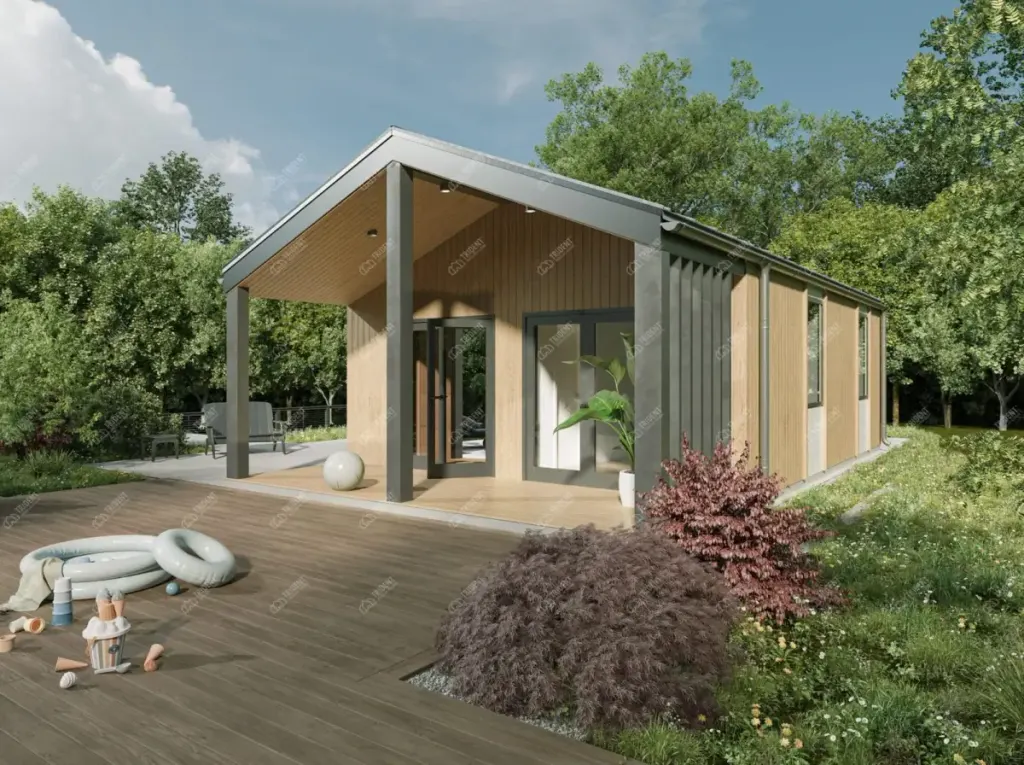
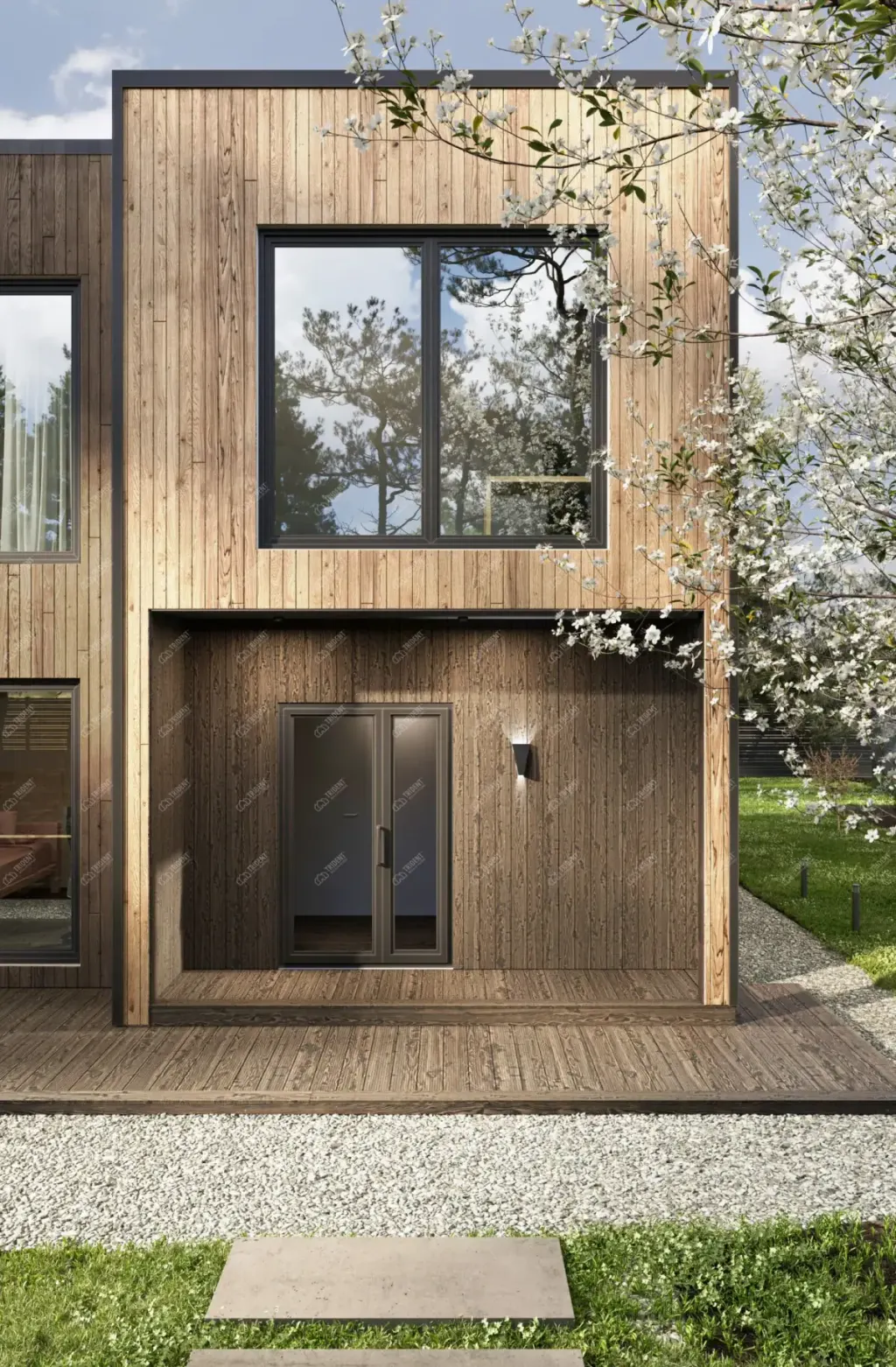
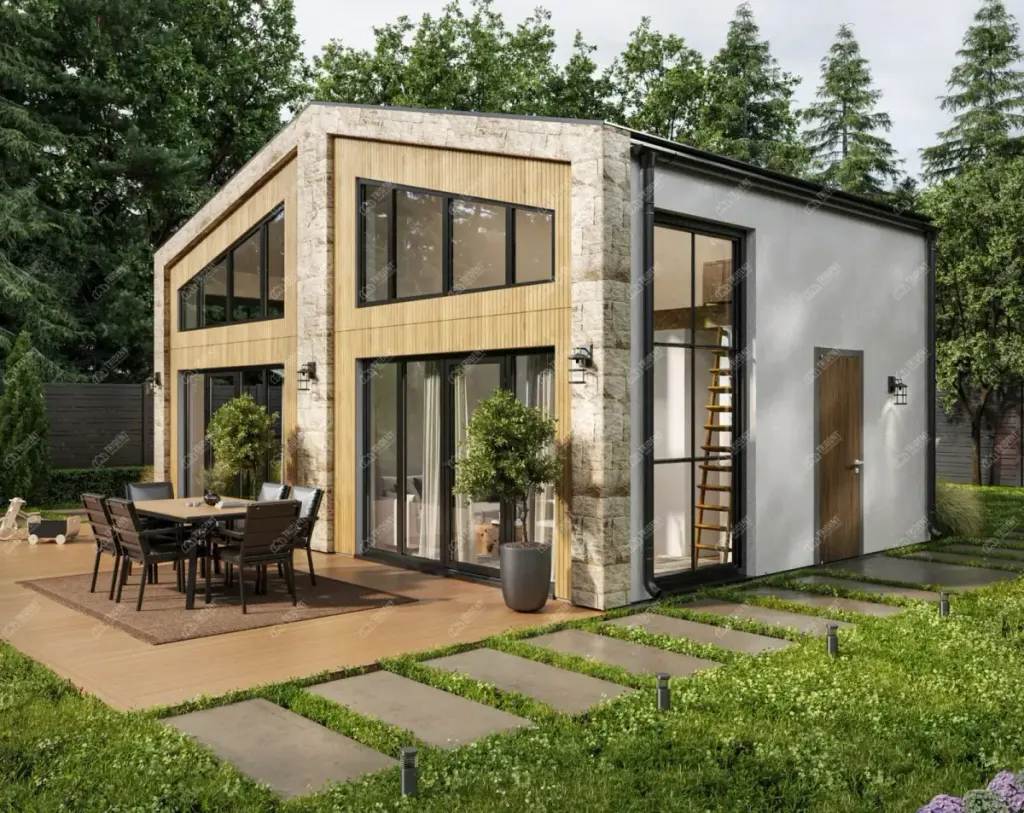
Trident Modular is a game-changer in addressing the UK housing crisis. Its innovative, prefabricated construction method significantly reduces build times and costs, allowing for rapidly deploying high-quality homes. This efficiency helps meet the urgent demand for affordable housing, providing a scalable solution that can quickly respond to population growth and urbanization pressures. Trident Modular's homes are cost-effective and environmentally friendly, utilizing sustainable materials and energy-efficient designs. By streamlining the construction process and ensuring durability and comfort, Trident Modular offers a viable and transformative approach to solving the housing shortage in the UK. See the current range on our modular homes UK page.
FAQs
What is modular housing? Modular housing involves constructing buildings in sections, or modules, in a factory, which are then assembled on-site. This method offers speed, cost savings, and quality control.
How does modular housing benefit social housing? Modular housing benefits social housing by providing faster construction, cost-effectiveness, high quality, and sustainability, addressing the urgent need for affordable homes.
What are the challenges of modular housing? Challenges include public perception, navigating planning and regulatory processes, and high initial setup costs for factories and equipment.
Can modular housing be customized? Yes, modular housing can be customized to meet specific design and functional requirements, making it a versatile solution for various housing needs.
Is modular housing more sustainable than traditional construction? Yes, modular housing is more sustainable due to optimized material use, reduced waste, and energy-efficient construction processes in the factory setting.
What support does the government provide for modular housing? Government support includes policies that incentivize modular construction, streamline planning approvals, and provide financial assistance to overcome barriers and promote growth in the sector.
Conclusion
Modular housing presents an innovative and effective solution to the UK's social housing crisis. Its benefits in terms of speed, cost, quality, and sustainability make it a compelling option for addressing the urgent need for affordable homes. With continued investment, government support, and public education, modular housing has the potential to transform the social housing landscape in the UK.