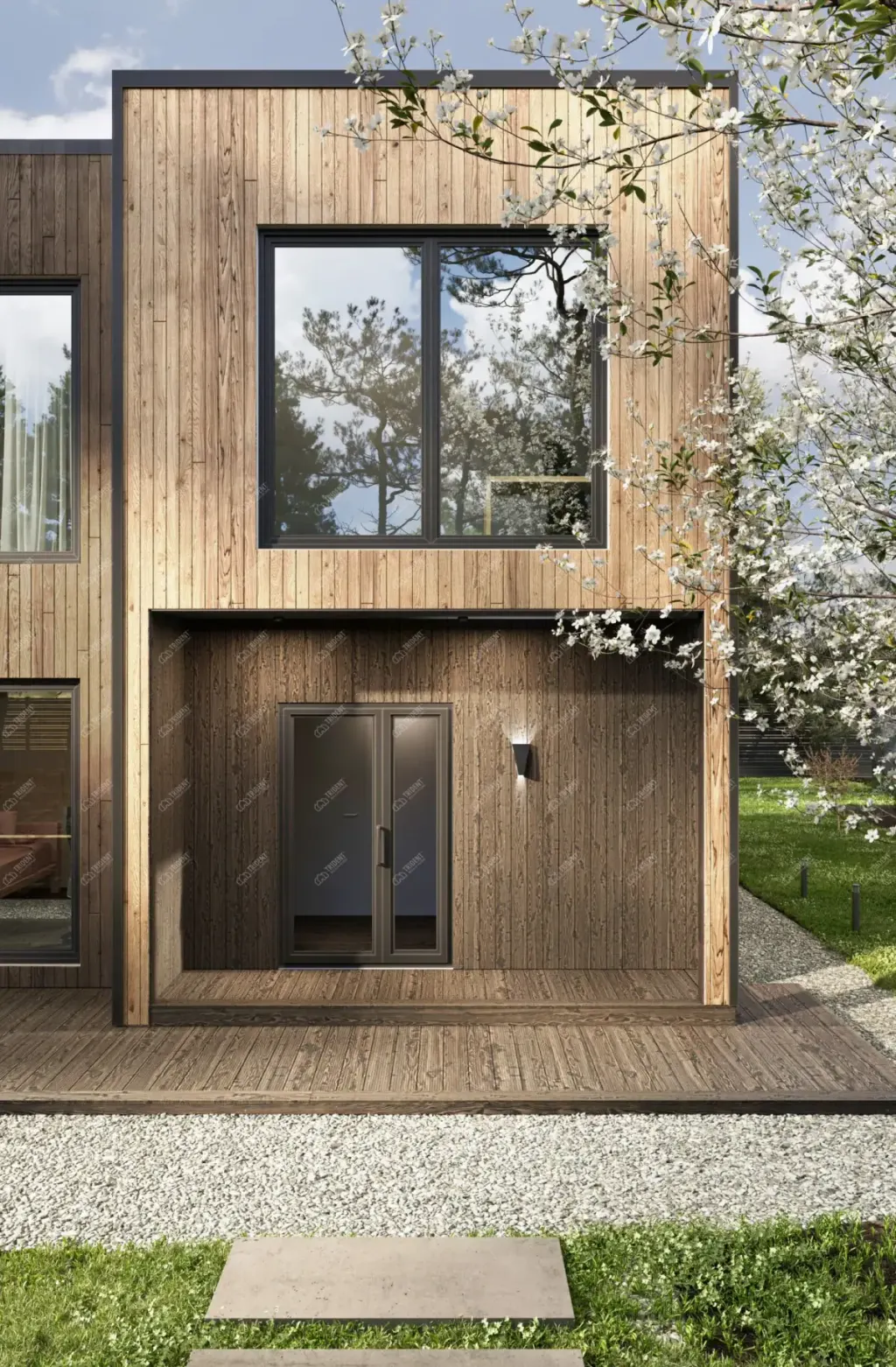
Modular housing has officially moved past the “cool alternative” phase. In 2026, the trend is that modular is becoming a default decision for lots of builds—because it’s faster to deliver, easier to quality-control, and increasingly aligned with how clients, planners, and lenders want buildings to perform.
Below are the 2026 Trends in Modular Housing I’m seeing come up again and again (without the hype).
1) “Platforms” and kit-of-parts design becomes the norm
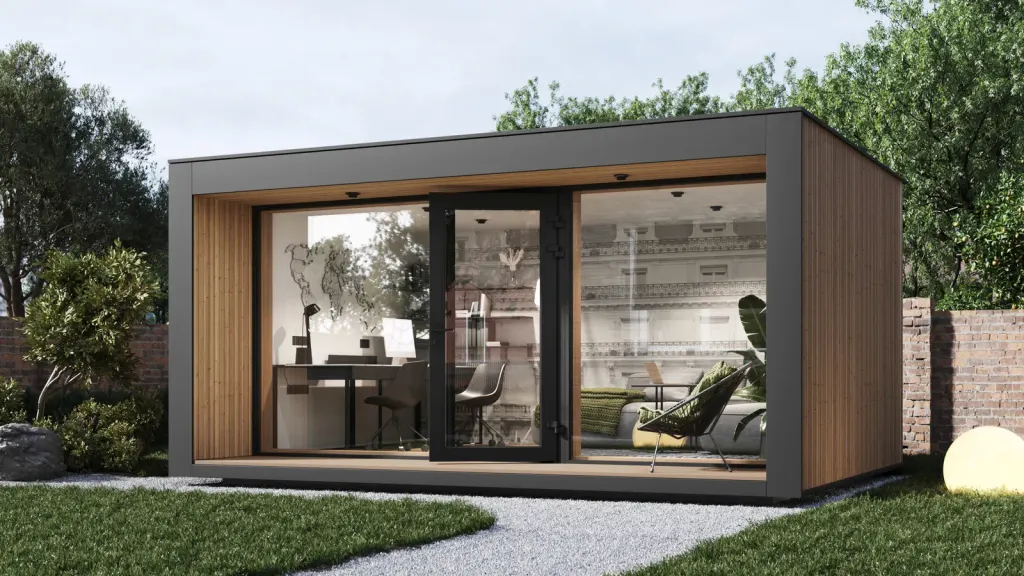
In 2026, more modular projects are being designed like product families: repeatable grids, repeatable details, repeatable connection points. Think: a consistent “kit” that scales from a small garden studio to multi-unit residential—without reinventing everything every time. This is often discussed under “platform-based standardisation” in MMC/offsite circles.
Why it matters: faster design → smoother procurement → fewer surprises in manufacture and install.
2) Hybrid modular (volumetric + panels + pods) wins on flexibility
Instead of treating modular as one rigid method, 2026 projects are increasingly hybrid:
- 3D volumetric modules where repetition is high (rooms, cores, sections)
- 2D panels where transport or site constraints matter
- Pods (bathroom/kitchen) to compress schedules
This “mix-and-match” approach lines up with how major industry analyses describe modular component types and where each makes sense.
3) Carbon accounting stops being optional
Sustainability has shifted from “nice-to-have” to “measurable requirement,” with more focus on embodied carbon, waste, and lifecycle performance. Offsite helps because factories are better environments for waste control, consistent detailing, and repeatable performance.
Also: material conversations keep getting more specific—engineered timber’s popularity continues to rise in low/mid-rise use-cases, even where steel remains dominant overall.
4) BIM-to-factory and digital twins become practical (not futuristic)
A big 2026 vibe is “less PDF, more data.” The direction is: models that can drive real manufacturing steps (or at least reduce translation errors), plus better QA workflows using digital checks.
If you like formal-sounding terms, this is often wrapped into DfMA + BIM integration (and the industry is still working through skills and regulatory gaps).
5) Localisation: smaller factories closer to demand
Instead of everything coming from one mega-facility, there’s more interest in micro-factories / regional production—reducing transport pain, improving responsiveness, and building local supply ecosystems.
6) Performance-first homes: airtightness, ventilation, electrification-ready
Energy and comfort expectations keep moving upward—better envelopes, better ventilation, better planning for electrified heating/cooling. Some industry outlooks explicitly call out performance tiers and tighter requirements as a practical driver of 2026 design decisions.
7) The “cabin aesthetic” keeps growing (but with modern specs)
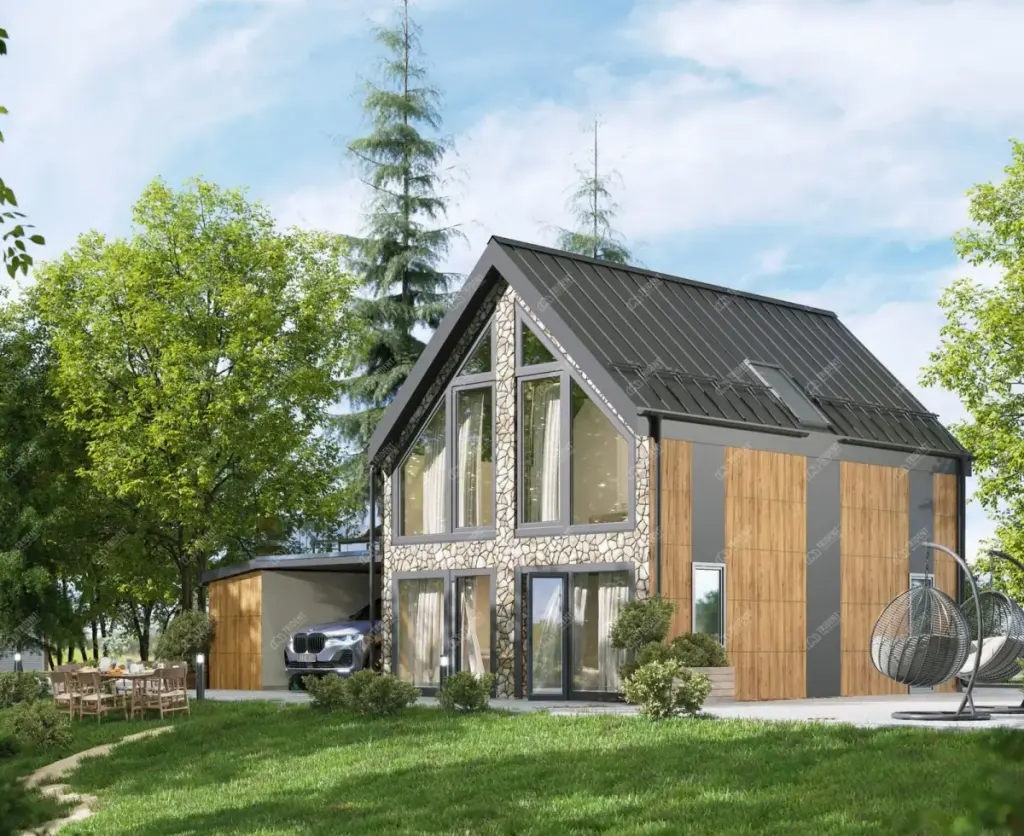
Design-wise, 2026 modular housing leans into forms people already emotionally like—A-frames, cabins, Scandinavian-ish simplicity—but paired with proper insulation, glazing, and a clean interior finish. (This trend shows up directly in what people publish and search for around modular cabins and A-frame models.)
8) Contracts, insurance, and risk conversations get more serious
As modular scales, the admin side matures: clearer scopes between design/manufacture/assembly, better logistics planning, and more attention to contract structure so the “factory + site” split doesn’t create gaps. Legal and risk commentary has been getting louder as modular adoption grows.
A practical 2026 Trends in Modular Housing checklist
If you’re planning a modular build this year, these questions tend to save time:
- Are we using a repeatable platform or starting from scratch?
- What’s the right prefabrication mix (3D/2D/pods) for transport + site access?
- Do we have a clear performance target (thermal/airtightness/IAQ) early?
- Are we tracking embodied carbon and material choices from day 1?
- Is the handoff from design → factory → site “data-clean”?
- Do contracts reflect the real modular workflow and responsibilities?
FAQ
Q: Are modular homes getting more popular in 2026?
Yes—largely because speed, labour constraints, and sustainability reporting are pushing more projects toward offsite methods.
Q: What’s the biggest 2026 Trends in Modular Housing?
Platform-based standardisation (repeatable “kits”) paired with permanent modular systems is a big one.
Q: Are modular homes energy efficient?
They can be—factory-built repeatability helps with airtightness and consistent detailing, and 2026 expectations are increasingly performance-led.