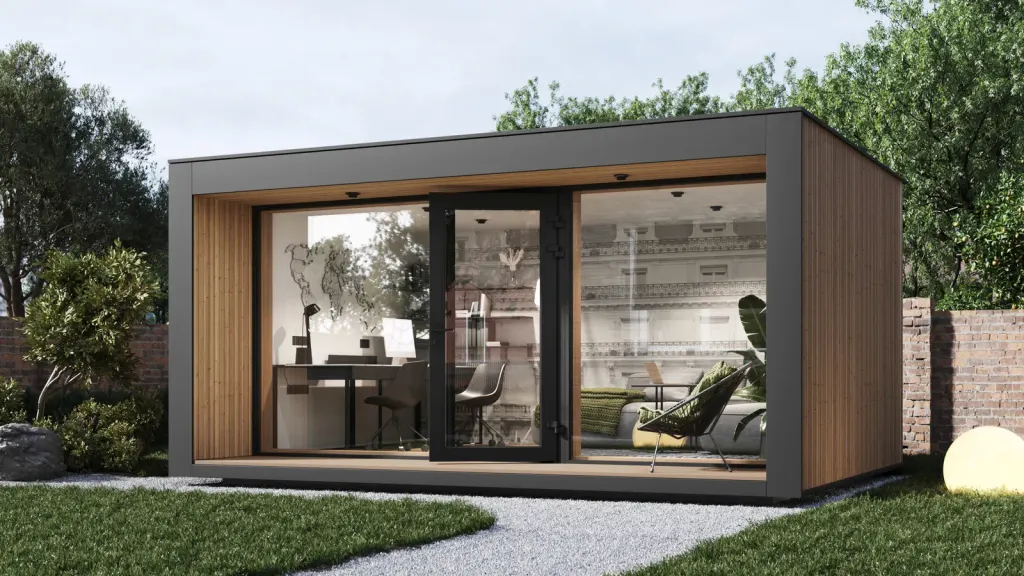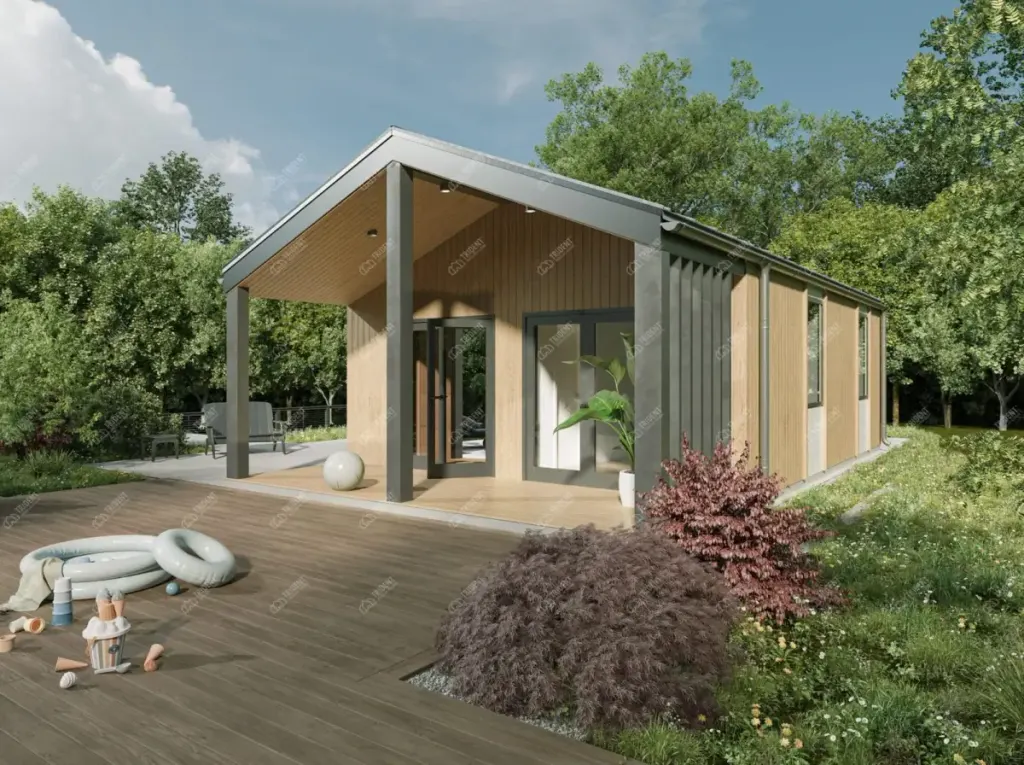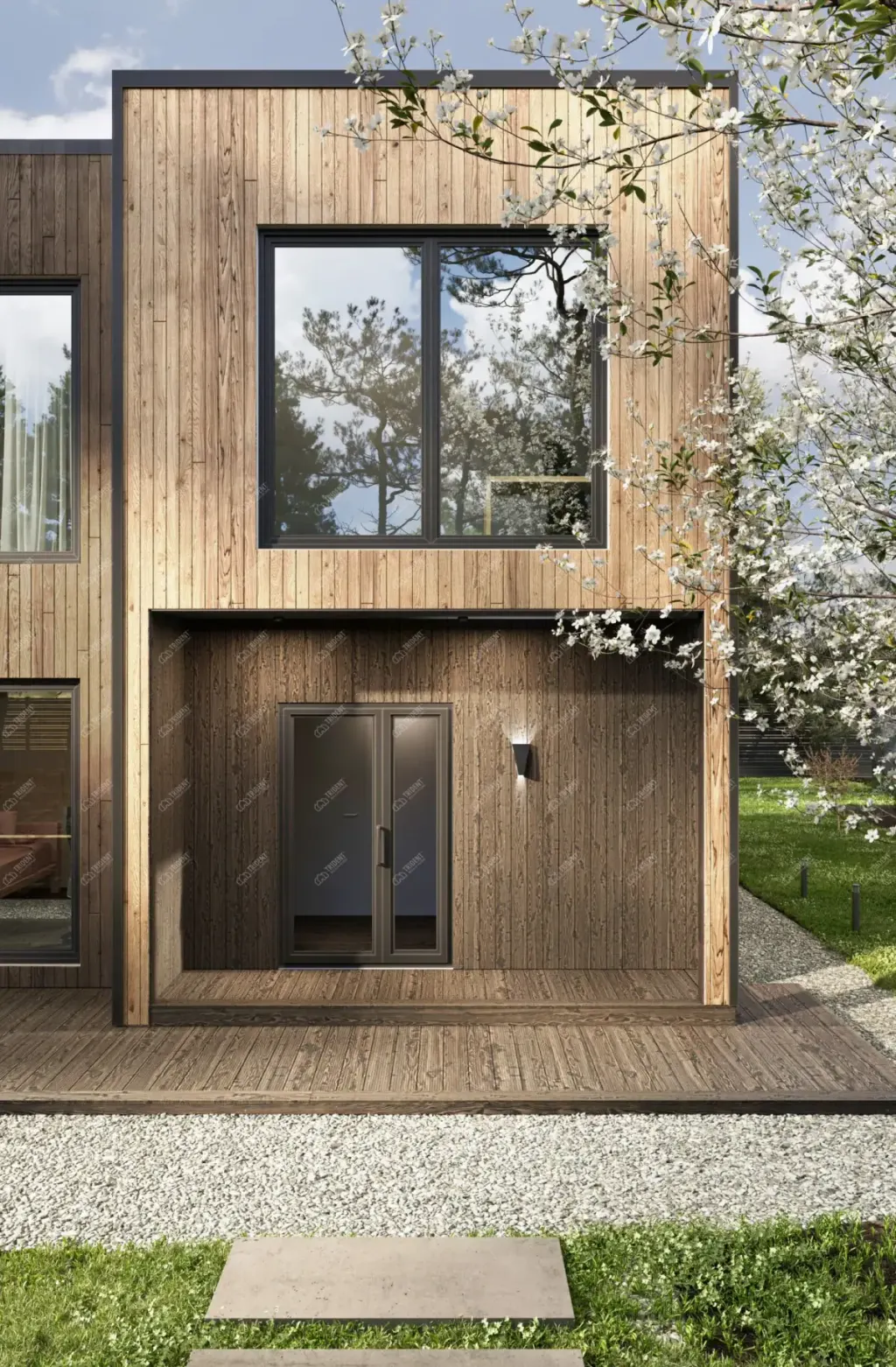
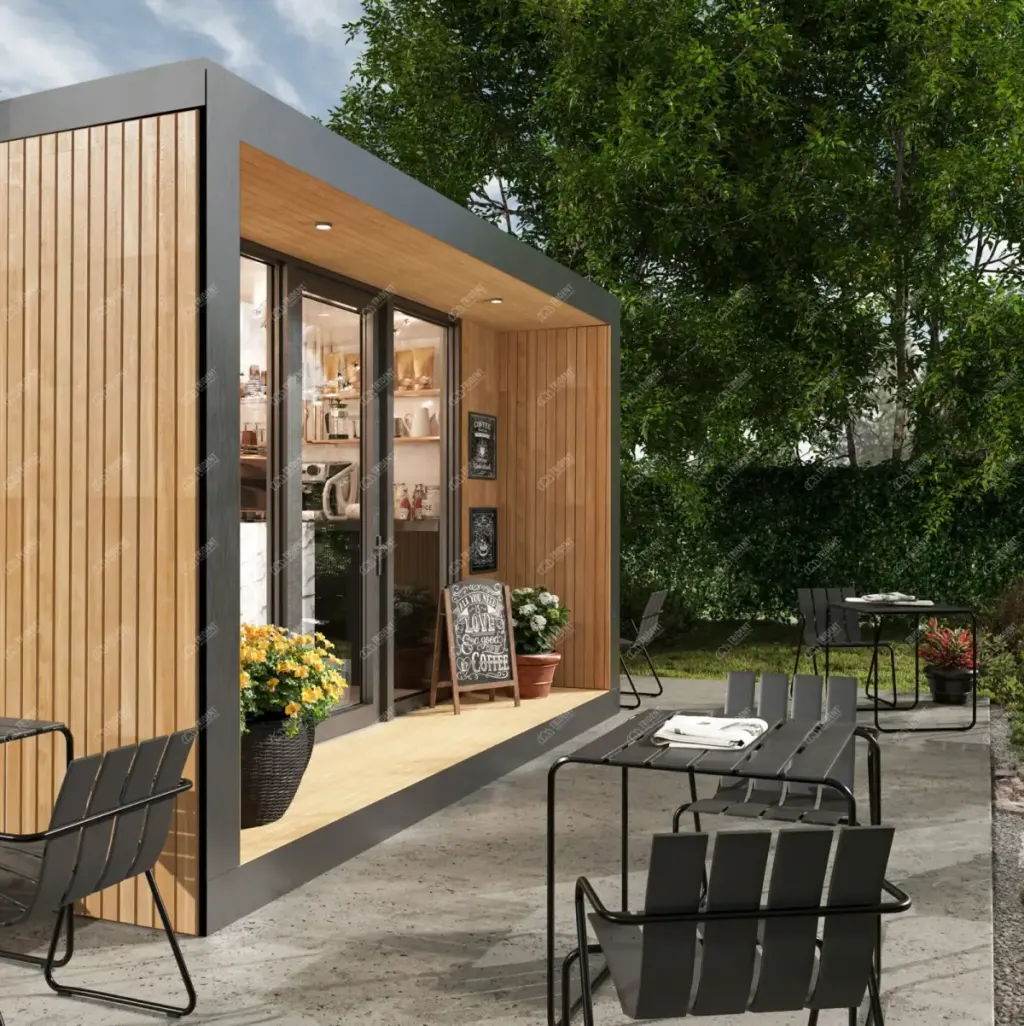
The UK's education system faces a growing demand for modern, adaptable learning spaces, especially given increasing enrollment numbers and the push for progressive teaching methods. To address these needs, many schools are turning to modular classrooms—versatile, efficient, and sustainable building solutions that are reshaping educational environments across the country. Here’s an in-depth look at how modular classrooms are making a positive impact on UK schools and transforming the landscape of learning spaces.
1. A Solution to the Capacity Challenge
The rise in student numbers across the UK has put pressure on schools to provide adequate space and facilities. Traditional construction often requires lengthy planning and building periods, which can disrupt daily school operations. Modular classrooms offer a faster, more adaptable solution. Schools can add new classrooms quickly to meet enrollment demands without the lengthy disruption typical of traditional builds. With these rapid deployments, schools can expand in response to immediate needs, making modular classrooms a practical answer to the ongoing capacity crunch.
2. Flexible and Future-Proofed Designs
One of the biggest advantages of modular classrooms is their flexibility. Unlike traditional classrooms, modular spaces can be easily reconfigured to suit changing requirements. Whether a school needs an additional science lab, a technology hub, or smaller rooms for specialized learning, modular buildings can be adapted accordingly. This adaptability allows schools to future-proof their learning spaces, accommodating evolving curriculums and innovative teaching methods that demand more dynamic environments.
Furthermore, modular classrooms can be designed and constructed to fit specific teaching needs. Schools can customize these classrooms with the latest technology, creative interior layouts, and integrated learning tools. From interactive whiteboards to built-in storage and acoustically optimized environments, modular classrooms support a range of educational needs, enhancing the learning experience for both students and teachers.
3. Sustainability in Focus
Find Out About Our Sustainable Solutions
Environmental sustainability has become a core priority for educational institutions, and modular classrooms are an excellent choice for schools looking to reduce their environmental footprint. Modular construction generates significantly less waste compared to traditional building methods, as materials are cut precisely in a controlled factory environment, leaving little to no excess. Additionally, modular buildings are often made with recyclable materials and energy-efficient components, such as solar panels and high-grade insulation, to reduce energy consumption and carbon emissions.
For schools committed to greener practices, modular classrooms provide an eco-friendly option that aligns with their sustainability goals. These classrooms can also serve as practical teaching examples, where students learn about sustainable practices directly within their learning space, fostering environmental awareness and stewardship among the next generation.
4. Cost-Effective Construction for Budget-Conscious Schools
Budget constraints are a common challenge for many UK schools. With limited funds, it can be difficult to keep up with infrastructure needs while also maintaining educational resources. Modular classrooms offer a cost-effective alternative to traditional construction, often at a fraction of the cost. These buildings are manufactured off-site and assembled on school grounds, cutting down on labor costs and reducing the need for extensive site work.
Moreover, modular classrooms require less time to construct, which means reduced labor costs and minimal disruption to school activities. For schools on tight budgets, modular buildings offer an affordable way to expand facilities without sacrificing quality or functionality.
5. Minimized Disruption and Enhanced Safety
Traditional construction projects can be noisy, intrusive, and potentially hazardous for students and staff. Modular classrooms are built off-site, which minimizes on-site disruptions and ensures a safer environment for the school community. Once manufactured, these classrooms are delivered and assembled quickly, often over school breaks, so they’re ready for students by the time they return.
This off-site construction approach also means fewer delays caused by weather or unforeseen on-site issues, making modular buildings a reliable choice for schools with strict timelines. With a modular solution, schools can have new classrooms built in a matter of weeks instead of months, all while maintaining a safe, low-impact building process.
6. Quality Control and Compliance with UK Standards
Read the Regulations on Gov.UK
One of the common misconceptions about modular classrooms is that they compromise on quality. In reality, modular classrooms are subject to rigorous quality control standards and are built to meet or exceed UK building regulations. Modular classrooms undergo thorough inspections and testing at every stage, ensuring a consistent level of quality.
Additionally, modular buildings can be customized to meet specific health and safety standards, including fire-resistant materials, ventilation systems, and structural durability. This means that modular classrooms not only meet regulatory requirements but often surpass traditional builds in terms of quality, durability, and safety.
7. Boosting Student Engagement and Learning Outcomes
Innovative, adaptable learning spaces have a direct impact on student engagement and academic performance. Modular classrooms can be designed with a focus on comfort, creativity, and collaboration, offering a more stimulating environment than the standard box-style classroom. Flexible layouts, natural lighting, and noise reduction features create spaces where students feel more comfortable and engaged, which enhances their overall learning experience.
For schools incorporating progressive teaching methods, such as group-based learning and interactive lessons, modular classrooms offer the perfect setting. These classrooms can be designed to encourage movement and collaboration, which research has shown to improve cognitive function and support different learning styles.
Conclusion: Shaping the Future of UK Education with Modular Classrooms
Modular classrooms have the potential to transform the future of UK education. By providing flexible, cost-effective, and environmentally friendly spaces, modular construction offers an innovative solution to the challenges faced by modern schools. As educational needs continue to evolve, modular classrooms allow schools to adapt quickly, support sustainable practices, and enhance the learning experience for students across the UK. For how Trident approaches commercial and multi-unit briefs, see commercial modular buildings.
The use of modular classrooms in UK schools is a promising step toward creating dynamic, sustainable, and future-ready educational spaces that will serve generations of students. With modular construction, UK schools are not only meeting today’s needs but also laying the groundwork for a more adaptable, resilient, and environmentally conscious education system.