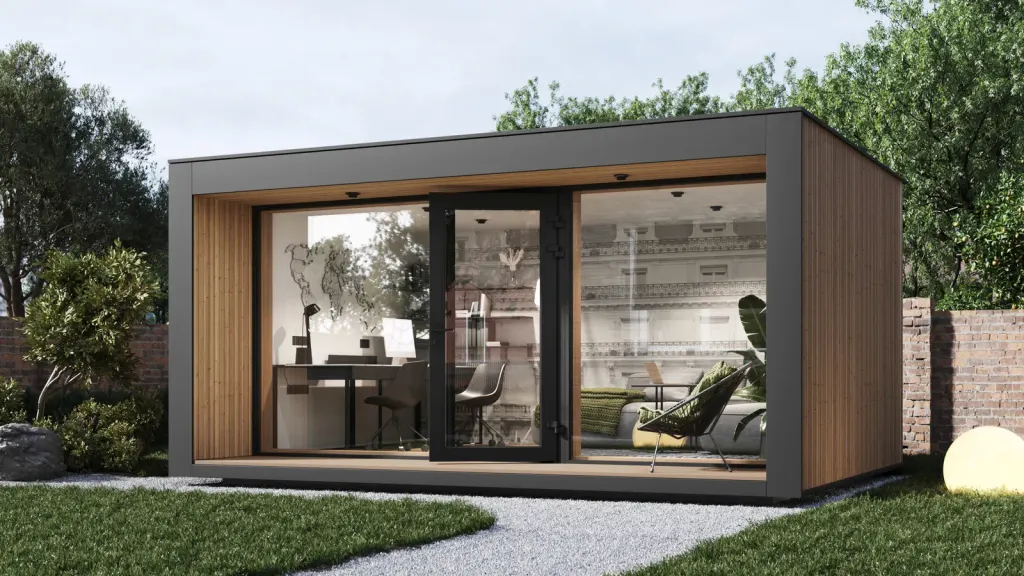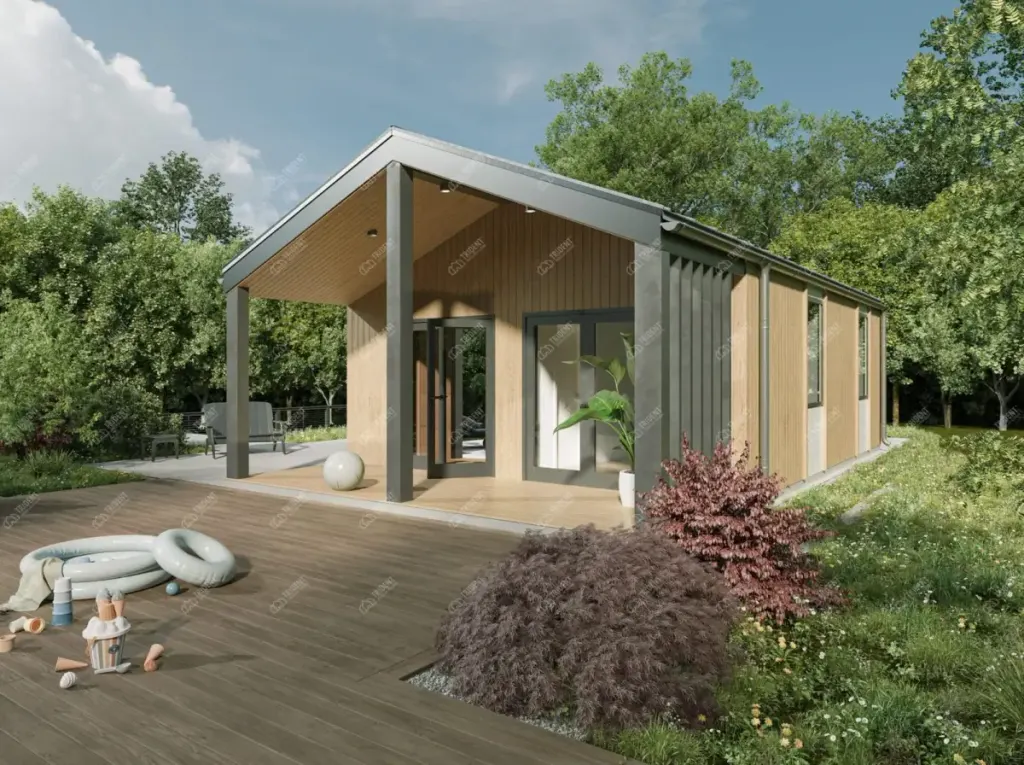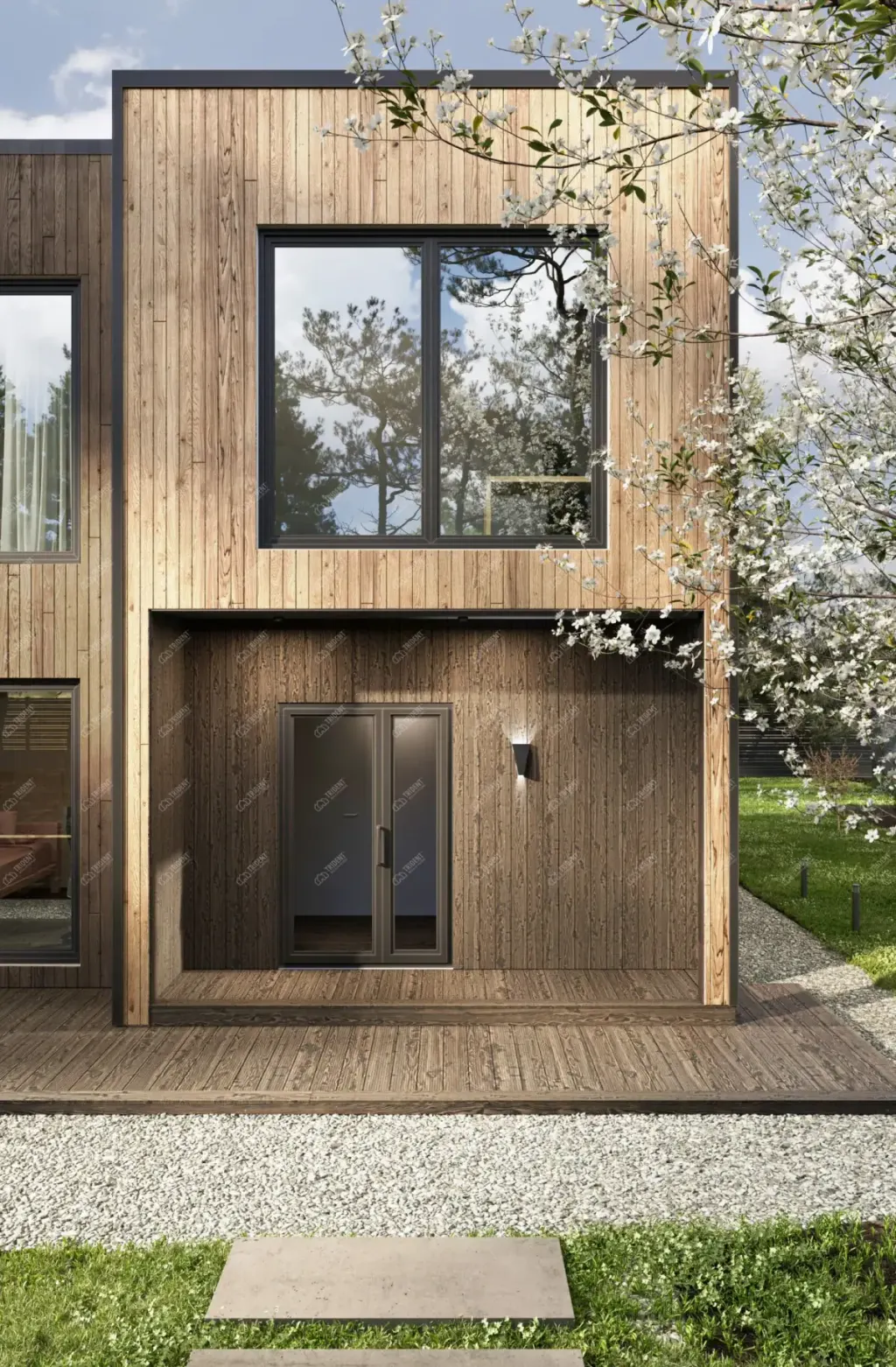
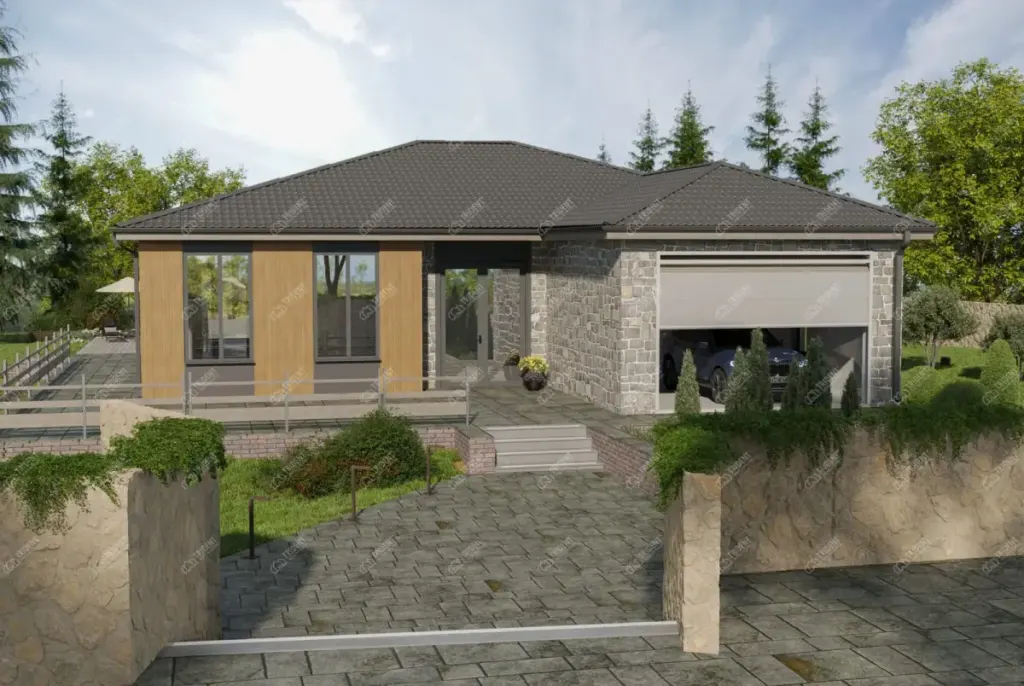
Modular construction is rapidly emerging as a transformative solution to some of today’s most pressing housing challenges. In a recent talk on Fix Radio, Trident Modular shared its vision of how this innovative approach can help solve the housing crisis. In this blog post, we delve into the key points raised during the discussion and explore how modular construction is reshaping the future of housing.
Understanding Modular Building
At its core, modular construction involves the assembly of prefabricated building sections on-site. This method is defined by its emphasis on efficiency, scalability, and sustainability:
- Prefabrication: Building components are manufactured in a controlled factory environment.
- On-Site Assembly: These sections are then transported and quickly assembled at the final location.
- Quality Control: Factory production ensures consistency, reducing on-site errors and delays.
This process not only streamlines construction but also sets the stage for innovative housing solutions in rapidly evolving urban landscapes.
Faster Construction Times
One of the most compelling advantages of modular construction is its speed. By shifting a significant portion of the work to a factory setting, projects can overcome common on-site delays:
- Reduced Delays: Factory-controlled processes minimize weather and scheduling interruptions.
- Simultaneous Workflows: On-site preparation and off-site fabrication can occur concurrently, significantly accelerating overall project timelines.
This rapid turnaround is especially crucial in addressing urgent housing demands, enabling communities to access new homes faster than traditional construction methods allow.
Cost-Effective Housing Solutions
Modular construction offers clear financial benefits:
- Mass Production: The ability to mass produce building components drives down material and labor costs.
- Predictable Expenses: Streamlined processes lead to more accurate budgeting and fewer unexpected expenses, reducing budget overruns.
For both developers and municipalities, these cost efficiencies can translate into more affordable housing options for residents.
Scalability for Large-Scale Housing Projects
The scalability of modular construction makes it a powerful tool for tackling housing shortages on a grand scale:
- Rapid Deployment: Modular units can be quickly replicated to meet high demand in urban areas or regions recovering from disasters.
- Flexible Applications: This method is well-suited to both urban expansion and emergency housing solutions, making it a versatile choice for diverse community needs.
The ability to quickly build and expand housing stock is a crucial component in addressing widespread housing crises.
Sustainability & Waste Reduction
Environmental considerations are at the forefront of modern construction practices:
- Minimized Waste: Factory-controlled environments allow for precise material use, drastically reducing waste.
- Energy Efficiency: Modular designs often incorporate energy-saving features, lowering the long-term carbon footprint of housing projects.
These sustainable practices not only help the planet but also create homes that are efficient and environmentally friendly.
Higher Quality & Durability
Quality and longevity are inherent benefits of modular construction:
- Precision Engineering: Factory production ensures consistent quality and adherence to strict engineering standards.
- Weather-Independent Production: Building in controlled conditions eliminates weather-related issues, resulting in sturdier, more reliable structures.
The enhanced durability of modular buildings means that communities receive safe, long-lasting housing solutions.
Flexibility in Design & Customization
Modular construction is not a one-size-fits-all solution. Its inherent flexibility allows for tailored designs to meet varying needs:
- Adaptable Layouts: Whether it’s affordable housing, co-living spaces, or luxury units, modular systems can be customized to fit different requirements.
- Modern Integrations: Many modular projects now incorporate smart home technologies and eco-friendly materials, aligning with modern trends and sustainability goals.
This adaptability ensures that modular construction can serve a broad spectrum of housing needs while remaining innovative and modern.
Overcoming Zoning & Regulatory Challenges
While modular construction offers numerous benefits, it also faces regulatory hurdles that must be addressed:
- Policy Updates: There is a growing need for updated zoning laws and building codes that recognize and support modular construction methods.
- Faster Approval Processes: Streamlined regulations and faster approval processes would encourage wider adoption and help meet urgent housing demands.
By advocating for regulatory reform, industry leaders can pave the way for modular construction to become a standard in modern building practices.
Potential for Addressing Homelessness
Modular construction presents a promising solution to the challenge of homelessness:
- Quick Deployment: The rapid assembly of modular units means safe and affordable shelters can be delivered quickly in areas experiencing housing crises.
- Community-Based Projects: Modular designs lend themselves to community-based initiatives, providing integrated living spaces that can help rebuild social cohesion.
By leveraging the speed and cost-effectiveness of modular construction, communities can create a more inclusive and immediate response to homelessness.
The Future of Housing with Modular Building
Looking ahead, the future of modular construction is intertwined with technological advancements:
- Innovations in 3D Printing and AI: Emerging technologies such as 3D printing, AI-driven design, and automation are set to further revolutionize how modular buildings are produced and customized.
- Global Expansion: As these technologies mature, modular construction is expected to play a significant role in global housing markets, offering scalable solutions to urban and rural communities alike.
These innovations are not just enhancing the process but are also opening up new possibilities for how we conceptualize and build our living spaces.
Conclusion
Trident Modular's talk on Fix Radio highlighted how modular construction is not just a trend, but a viable, forward-thinking solution to some of the most critical challenges in housing today. By emphasizing efficiency, cost-effectiveness, scalability, and sustainability, modular building techniques are poised to transform the way we build homes. As technology and regulatory environments evolve, modular construction may well be the key to solving the housing crisis and shaping a more resilient future for communities worldwide.
For more insights and detailed discussions on the future of modular construction, be sure to check out the full talk on Fix Radio.