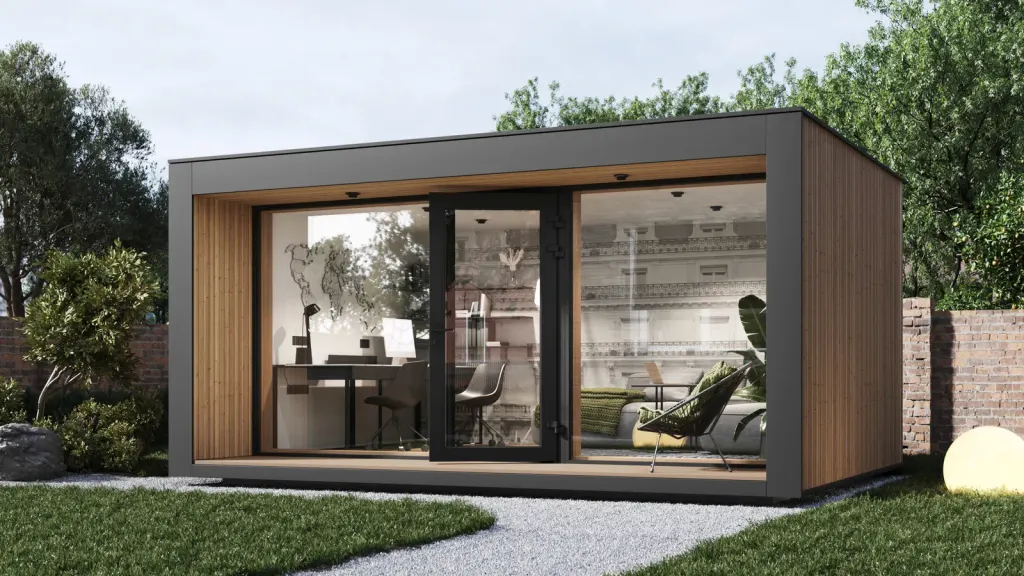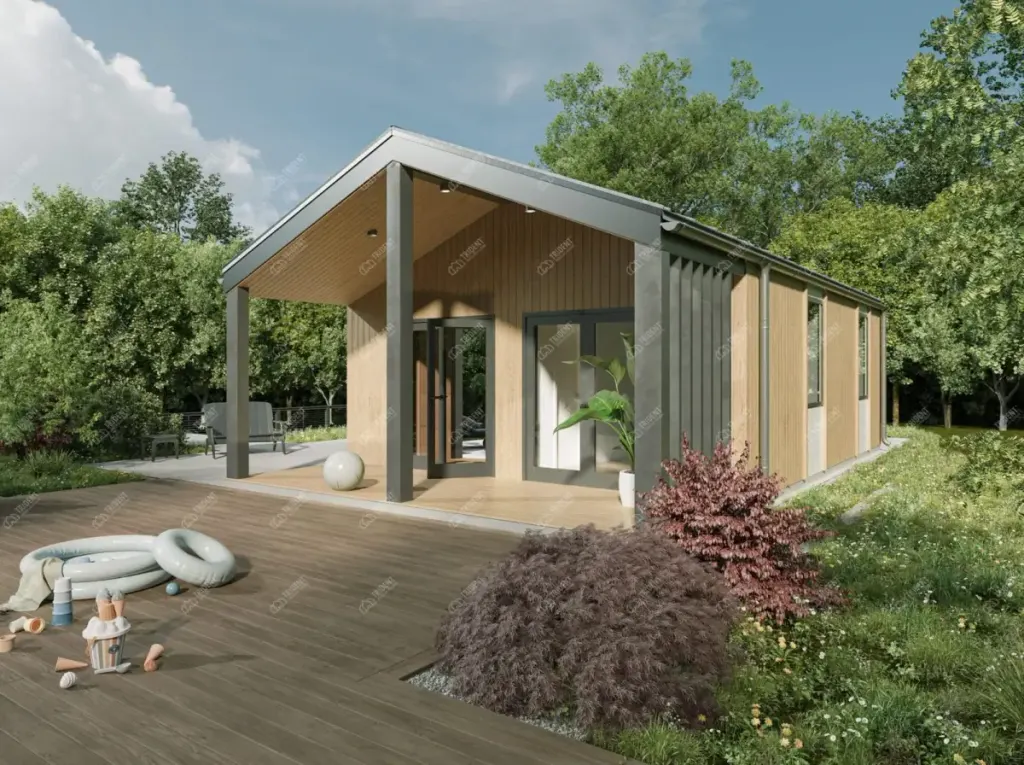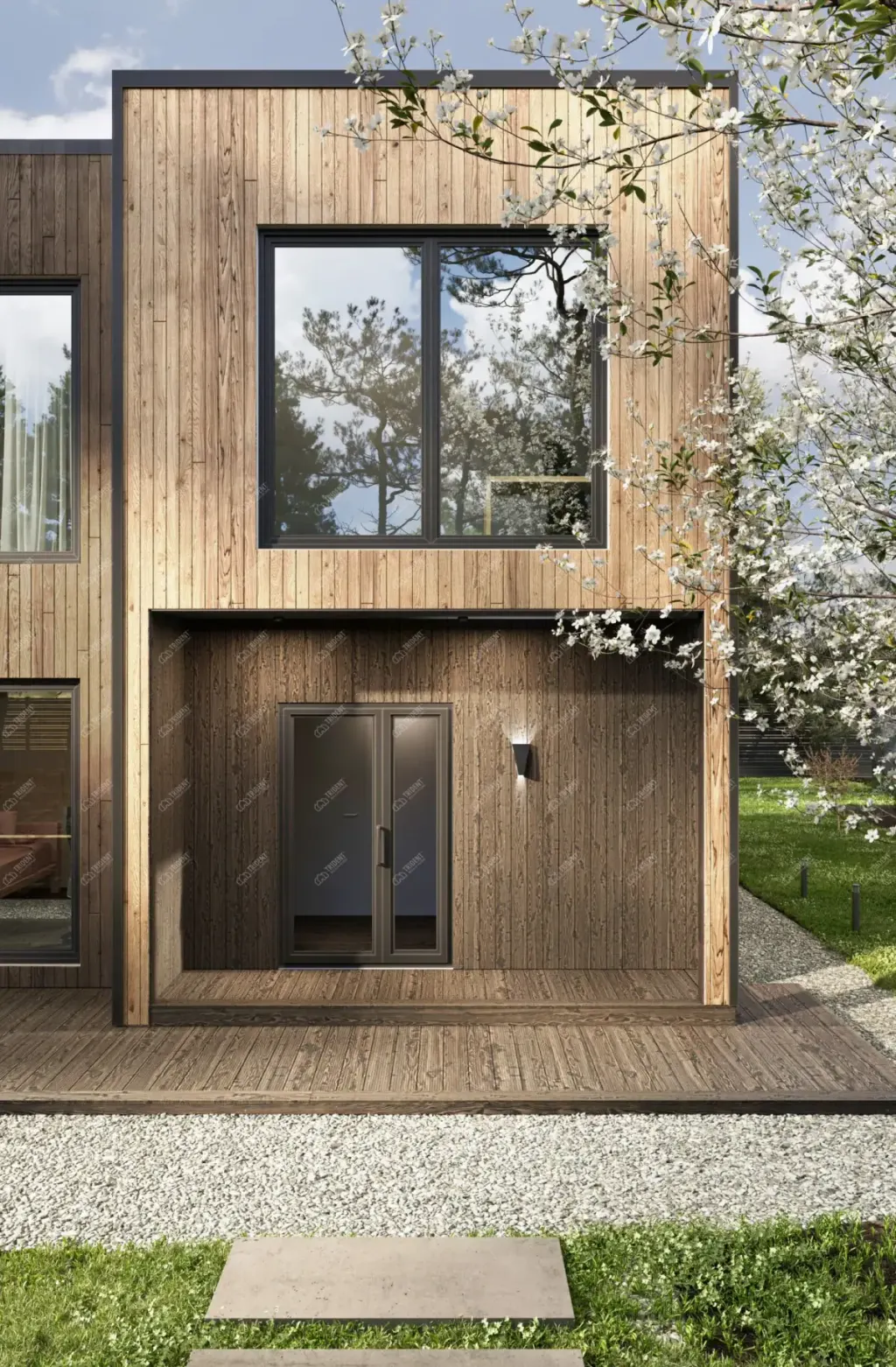
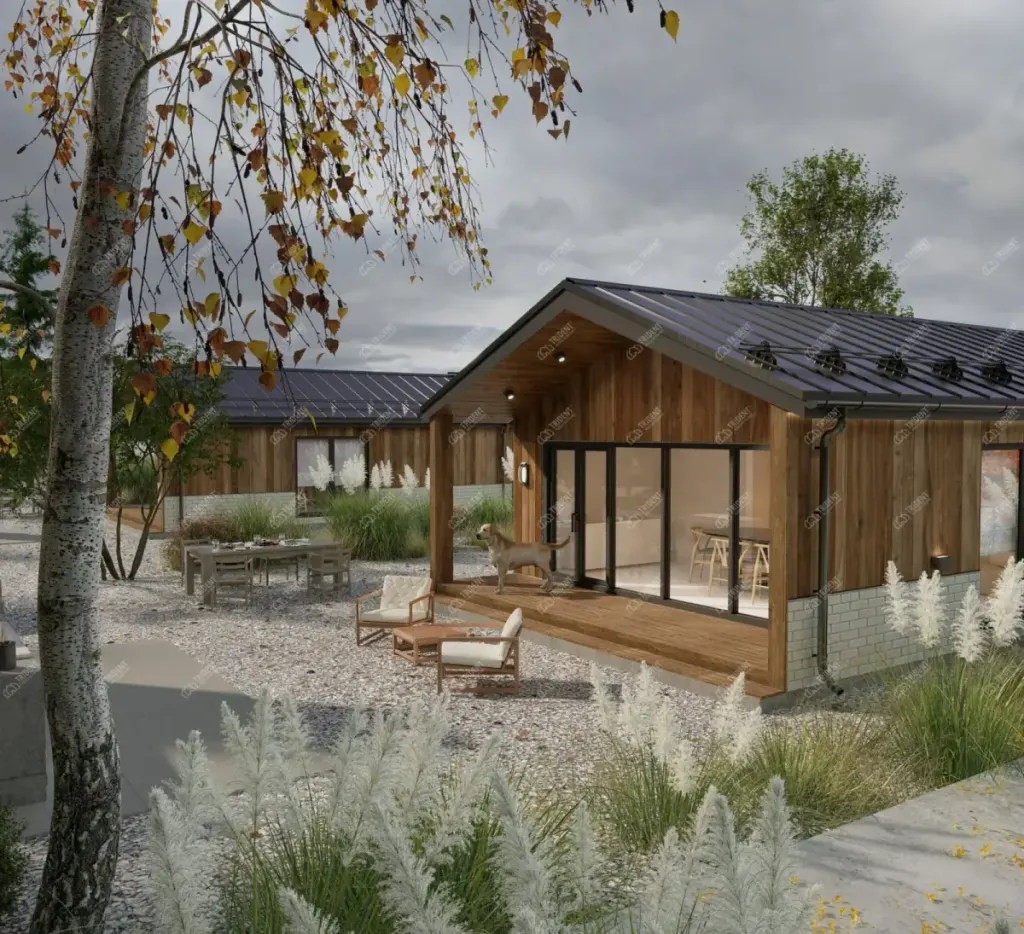
In today’s world, sustainability is no longer just a buzzword—it’s a necessity. As industries across the globe reassess their environmental impact, the construction sector, traditionally known for its large carbon footprint, is undergoing a significant transformation. One approach at the forefront of this shift is modular construction. With its inherent efficiencies and innovative methods, modular construction is playing a critical role in helping to meet global sustainability goals.
What Is Modular Construction?
Modular construction is a building method where structures are constructed off-site in controlled factory environments, using the same materials and adhering to the same codes and standards as traditional construction. The key difference is that the building is assembled in modules, which are then transported to the final site for assembly. This approach significantly reduces the construction timeline and minimizes on-site disruptions.
Reducing Waste in Construction as Sustainability Goals
See how Trident Modular manages it's construction waste
One of the most significant contributions of modular construction to sustainability is the reduction of material waste. Traditional construction sites often see large quantities of excess materials, such as wood, concrete, and metals, which end up in landfills. According to the UK Green Building Council, construction accounts for around 60% of total waste produced in the UK alone.
Modular construction, on the other hand, is much more efficient. By building in a controlled environment, materials are ordered with precision, and excess materials are often recycled for use in other projects. This reduction in waste is a key element in lowering the overall environmental impact of the construction process.
Energy Efficiency in Manufacturing and Assembly
See how Trident Modular handles Efficiency in Manufacturing and Assembly
Modular buildings are created in factories where the process is highly controlled and optimized for energy efficiency. This contrasts with traditional construction, where on-site work is often energy-intensive due to the use of heavy machinery and the unpredictability of weather conditions, which can lead to energy inefficiencies.
Additionally, many modular construction factories have implemented energy-efficient practices and use renewable energy sources, further reducing their environmental footprint. When the modules are transported to the final site, the rapid assembly process requires significantly less on-site energy consumption than traditional methods.
Supporting Sustainable Building Certifications
Modular construction is well-suited for meeting and exceeding the requirements of various sustainable building certifications such as LEED (Leadership in Energy and Environmental Design) and BREEAM (Building Research Establishment Environmental Assessment Method). These certifications require buildings to meet strict environmental standards, and the precision of modular construction helps to ensure compliance in areas such as energy efficiency, water conservation, and indoor environmental quality.
Many modular buildings are designed with sustainable materials, high-efficiency HVAC systems, and superior insulation, which all contribute to long-term energy savings. The reduced construction time also means less environmental disruption at the building site, supporting overall sustainability objectives.
Modular Construction and Carbon Emissions
Reducing carbon emissions is a major focus in the effort to combat climate change, and modular construction is playing a significant role in this area. Traditional construction methods often involve long build times, heavy transportation, and on-site activities that contribute to high levels of CO2 emissions. In contrast, modular construction can significantly reduce these emissions through more efficient processes.
The transportation of modules, though it involves moving large sections, can be more efficient than the constant movement of materials and machinery that occurs in traditional construction. The faster construction timeline means fewer trips to the site, less energy consumption, and ultimately, lower carbon emissions.
Designing for Reuse and Adaptability
Sustainability isn’t just about reducing the environmental impact of current projects; it’s also about planning for the future. Modular construction offers a unique advantage in this area with its ability to create adaptable and reusable structures. Many modular buildings can be disassembled, relocated, or repurposed, significantly extending their lifecycle and reducing the need for new materials and resources.
This adaptability makes modular construction an ideal solution for temporary structures or for sectors like education and healthcare, where space needs can change rapidly. By allowing buildings to evolve with the needs of the users, modular construction supports a circular economy, where resources are reused and repurposed rather than discarded.
Conclusion
As the world continues to grapple with the effects of climate change and environmental degradation, the construction industry must evolve to meet new sustainability challenges. Modular construction is proving to be a powerful tool in this transformation. By reducing waste, improving energy efficiency, supporting sustainable building standards, and lowering carbon emissions, modular construction is helping to create a more sustainable future for the built environment. See how the Trident specification handles insulation, heating and the optional upgrades on eco modular homes.
With its potential for adaptability and reuse, modular construction is not just a solution for today’s sustainability goals—it is an investment in the buildings of tomorrow. As this innovative approach to construction gains traction, it will play an increasingly vital role in meeting global environmental objectives and creating a greener, more efficient construction industry.